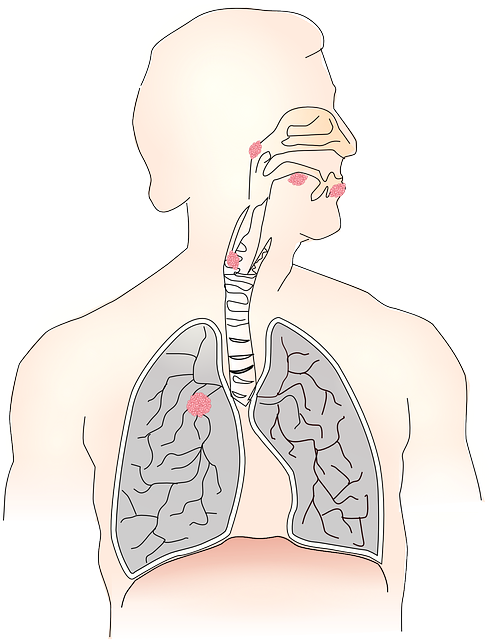
Allergic or Irritation Reactions to Asbestos Dust

This article does NOT provide medical advice

Asbestos is not an allergen in the usual sense

Asbestos fibres don’t behave like pollen, pet dander, or dust-mite allergens, nor do they cause an “allergic” immune reaction (i.e., IgE-mediated allergy, histamine release, etc.), so true asbestos allergy or hives (urticaria) from asbestos exposure is not recognised in medical literature.

In other words, asbestos exposure doesn’t cause allergies the way hay fever or dust allergies do.

Asbestos can cause irritation — mechanical, not allergic

Although not an allergen, asbestos dust can irritate the eyes, skin, and airways if fibres come into direct contact, for instance on the skin, the eyes and the respiratory system.

Skin

Some people develop redness, itching, or small rashes after fibres lodge in pores or under clothing. This is a mechanical irritation — tiny needle-like fibres physically irritate the skin — not a chemical or allergic reaction.

Eyes

Dust can cause watering or gritty irritation.

Nose/throat/lungs

Breathing dusty air (even non-asbestos dust) can provoke coughing, sore throat, or wheezing. This kind of irritation usually subsides after washing and leaving the dusty area, but persistent or repeated exposure is dangerous because it can lead to long-term lung disease, not allergy.

Asthma and respiratory conditions

While asbestos doesn’t trigger asthma in the way pollen or mould does, any airborne dust — including asbestos-contaminated dust — can irritate the airways of people with asthma or chronic respiratory diseases. People with asthma may experience tight chest, wheezing, or coughing if exposed to any fine dust cloud.

The effect is usually short-term irritation rather than the allergic mechanism behind an asthma “attack,” but it can still worsen symptoms and should be treated seriously.

So while asbestos itself isn’t an asthma “allergen,” dusty asbestos work can exacerbate respiratory symptoms in sensitive individuals.

The real health risks: cumulative and long-term

The main dangers from asbestos are fibrosis (asbestosis), pleural disease, and cancers (mesothelioma, lung cancer) after repeated or prolonged inhalation of fibres — sometimes years or decades later.

That’s why UK regulations focus on eliminating airborne fibres entirely, rather than relying on personal tolerance or short-term reactions.

What to do if someone feels irritated or unwell after possible exposure

  • Leave the area immediately and get into fresh air.
  • Wash skin, hair, and clothing to remove dust.
  • If skin irritation persists, use mild soap and water; avoid scratching.
  • Seek medical advice if you experience wheezing, coughing, shortness of breath, or hives, and mention the possible exposure (doctors can note it in your medical record).
  • If the symptoms worsen rapidly (e.g., acute asthma), treat it as you would any asthma flare-up — inhaler, emergency care if needed.

When the Dust Rises – UK Demolition Sites

Demolition Dust and Asbestos: Breathing Danger

When the Dust Rises

You’re walking or driving past a demolition site. It’s interesting, noise, movement, something different. Big machines, huge changes, maybe you remember what the site was like before? A long time ago?

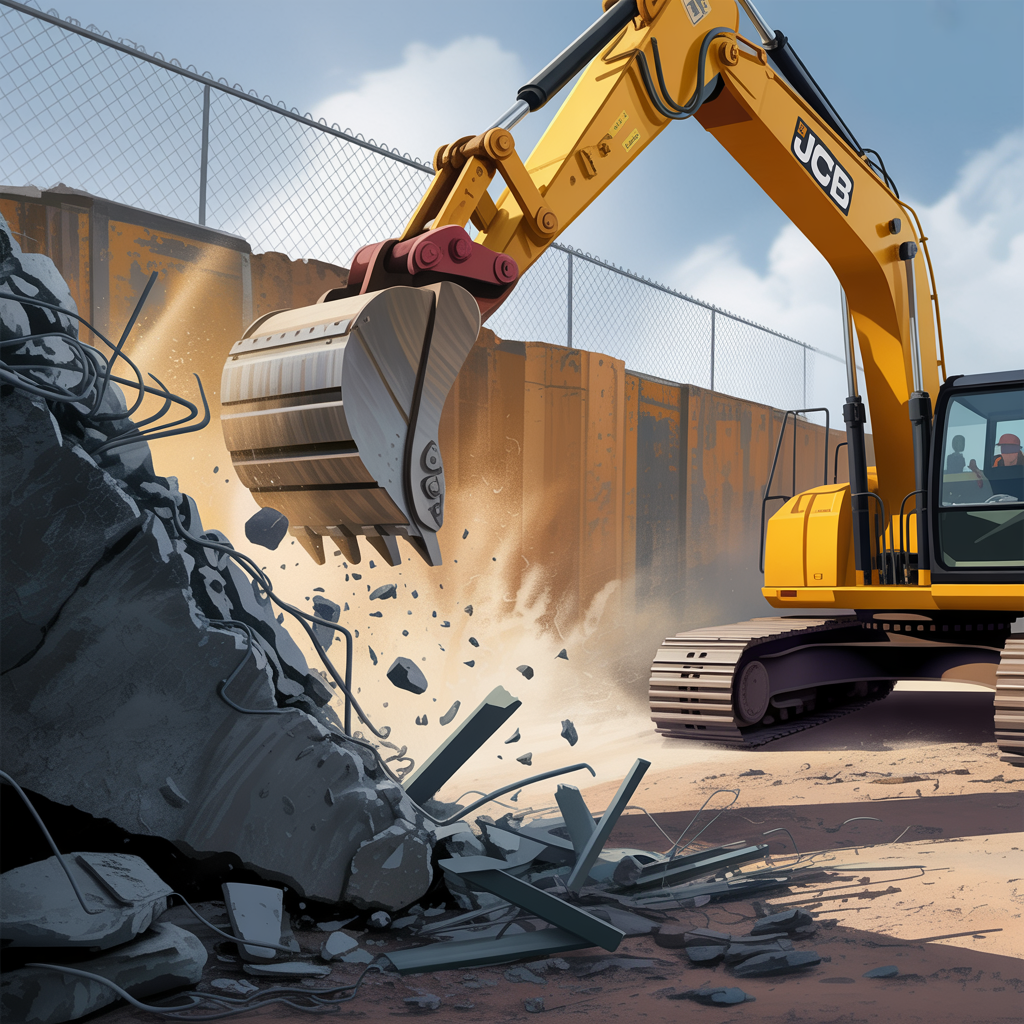
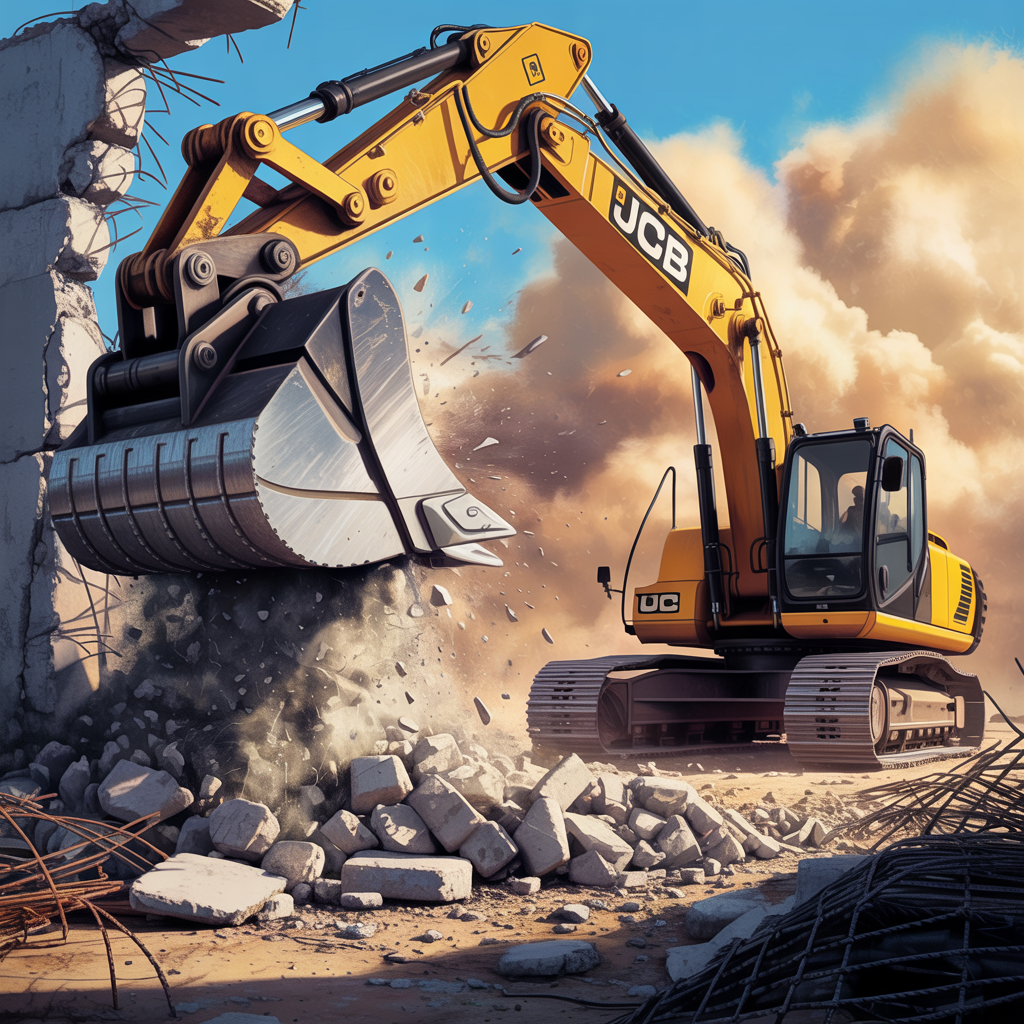
A huge machine, with what looks like a giant drill bit on the end of the arm, (a hydraulic breaker?) pounds into the old concrete, breaking it up. Next a backhoe loader with a bucket, lifts a load of rubble and drops it with a clang into a giant skip. Next thing – a grey cloud drifts across the road. It looks harmless — just dust — but a thought crosses your mind: “Could there be asbestos in that? And if so, is it dangerous to people nearby?”

They were old buildings, you remember them from many years ago. Old buildings often had asbestos in them, in the concrete flooring, in the ceilings, insulation in the walls, concrete pipes. The asbestos wasn’t hurting anyone while it remained where it was but once concrete or other materials get broken up, asbestos fibres can be released. Was there any on that site? There are lots of places that would have used asbestos, years ago.

That question is both reasonable and important. In older buildings, asbestos wasn’t limited to insulation or ceiling tiles — it was also used in cement, floor screeds, wall panels, and roof sheets. When these materials are broken up without proper checks, microscopic asbestos fibres can become airborne and stay suspended long after the visible dust has cleared.

This article explains what UK law says about handling such risks — first across the whole of the United Kingdom, then focusing on how Northern Ireland’s regulations and enforcement fit into that picture.

The Legal Duty to Check First

Across the UK, asbestos is strictly controlled because exposure can lead to diseases such as asbestosis, lung cancer, and mesothelioma.

Before any demolition or refurbishment begins, the law requires an asbestos survey to identify and assess the risk.

The foundation of asbestos law throughout the UK is the Control of Asbestos Regulations 2012 (for Great Britain) and its twin, the Control of Asbestos Regulations (Northern Ireland) 2012.

These laws apply to:

  • Owners, landlords, and dutyholders of non-domestic premises
  • Employers and contractors working on any structure that may contain asbestos
  • Anyone responsible for demolition, refurbishment, or maintenance

Key duties under these regulations include:

  • Identify asbestos before work starts (via a survey such as HSG264).
  • Prevent or minimise exposure through safe methods and equipment.
  • Provide training and PPE for workers.
  • Label, store, and dispose of waste as hazardous material.

Great Britain (England, Scotland, Wales)

In Great Britain, asbestos safety is enforced by the Health and Safety Executive (HSE).
The key legislation is the Control of Asbestos Regulations 2012 (SI 2012/632).
Guidance comes from:

  • L143 “Managing and Working with Asbestos” (Approved Code of Practice)
  • HSG264 “Asbestos: The Survey Guide”

Enforcement covers:

  • Licensing for high-risk asbestos work
  • Notifiable Non-Licensed Work (NNLW) reporting to HSE
  • Environmental disposal through the Environment Agency, SEPA, or Natural Resources Wales

In short, no contractor in GB can legally disturb a material likely to contain asbestos unless the proper survey and controls are in place.

Northern Ireland (Part of the UK, but with Its Own Regulator)

Northern Ireland follows the same principles but under separate legislation and regulators.

Official Law and Guidance

  • Main Law Control of Asbestos Regulations 2012 Control of Asbestos Regulations (NI) 2012
  • Regulator Health and Safety Executive (HSE) Health and Safety Executive for Northern Ireland (HSENI)
  • Waste Oversight Environment Agency / SEPA / NRW Northern Ireland
  • Environment Agency (NIEA)
  • Survey Guide HSG264 HSG264 (used in NI)
  • ACOP L143 (GB) L143 (adopted in NI)

In Northern Ireland, the HSENI enforces asbestos safety.
Contractors must:

  • Commission a Refurbishment/Demolition Survey before breaking up floors, walls, or structures.
  • Notify HSENI if the work qualifies as Notifiable Non-Licensed Work (NNLW).
  • Use licensed asbestos contractors for any licensable materials (e.g., insulation, coatings).
  • Dispose of asbestos waste through NIEA-approved facilities.

Failure to comply can lead to enforcement notices or prosecution under the Health and Safety at Work (Northern Ireland) Order 1978.

When You See a Dust Cloud

If you ever see uncontrolled dust from a demolition or floor-breaking job, stay away from the area — don’t walk through or breathe the dust. Note the location, date, time, and company name (if visible). Report it.

GB: HSE via hse.gov.uk/contact

NI: HSENI via 0800 0320 121 or hseni.gov.uk

Do not collect samples yourself unless advised or trained — evidence should be preserved safely for inspectors.

Why It Matters

Even brief exposures can be serious if fibres become airborne. Most people assume asbestos is only in insulation, yet asbestos-cement was one of the most common building materials for decades — used in corrugated roofs, drainpipes, floor tiles, adhesives, and even garden sheds.

Breaking, drilling, or hammering these materials without controls releases fine fibres invisible to the naked eye.

The good news is that modern UK law is clear and protective — when properly followed, exposure risk can be reduced to near zero.
The problem arises only when those laws are ignored.

Conclusion

If you see dust rising from a demolition site and you’re wondering whether it’s safe, trust your instincts — ask the question, or report your concern.

Across the UK, including Northern Ireland, anyone planning or carrying out demolition has a legal duty to know if asbestos is present, to control dust, and to protect both workers and the public.

The law exists for a reason: to keep that unseen danger in the ground, not in the air we all breathe.

Control of Asbestos Regulations

Assume “Maybe Asbestos”

In Northern Ireland you must assume “maybe-asbestos” until a competent survey proves otherwise. If you plan to break, saw or lift an old concrete floor (often a slab with asbestos-containing screed/bitumen adhesive/tiles or asbestos-cement), the law that applies is the Control of Asbestos Regulations (Northern Ireland) 2012, plus hazardous-waste rules.

What the NI rules require (practical checklist)

  • Get the right survey before any breaking-out.
  • If refurbishment or demolition is planned, you need a Refurbishment/Demolition asbestos survey (HSG264) by a competent surveyor to sample the floor system (screed, adhesives, tiles, ducts, etc.).
  • Do not start intrusive work until you have the survey report.

Health and Safety Executive

Decide the work category from the survey (licensable / NNLW / non-licensed).

NI follows the GB framework (ACOP L143 is approved for use in NI).

Many asbestos-cement tasks are non-licensed (with strict controls); deteriorated or dusty work can become Notifiable Non-Licensed Work (NNLW); some materials (e.g., asbestos insulation/coating) are licensable and must be done by an HSENI-licensed contractor.

If it’s NNLW, you must notify HSENI before you start.
HSENI provides an online notification for Notifiable Non-Licensed Work. (Licensable work needs an HSENI-licensed contractor.)

Controls, training and risk assessment are mandatory for all asbestos work.
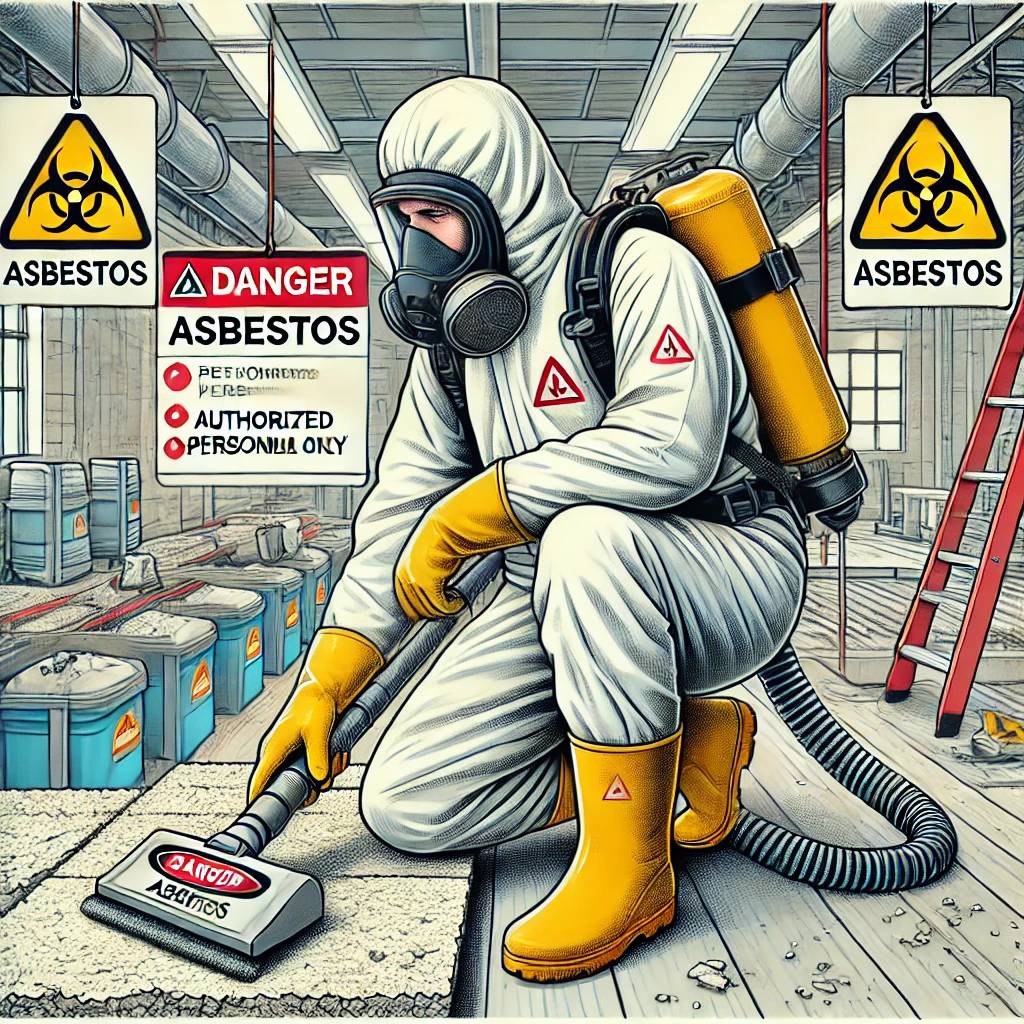
Even non-licensed work requires a written risk assessment, task-specific controls (wet methods, H-class vacuums, no uncontrolled power-tool cutting), and workers with appropriate information, instruction and training.

Waste = hazardous. Handle and dispose correctly in NI.
All asbestos waste must be double-bagged/wrapped, labelled, kept secure, and consigned to a site licensed to accept asbestos in NI; local councils sometimes offer limited household collection for small amounts of cement-based asbestos. Businesses must use the hazardous-waste consignment process (via NIEA).

Domestic vs non-domestic premises.

The legal duty to manage asbestos sits with dutyholders in non-domestic premises, but any employer/contractor working in a home must still comply with CAR(NI) 2012 (survey, classification, controls, notification if NNLW, training). Householders should use competent contractors and follow HSENI’s householder guidance.

Why floors need special care

“Concrete floor” jobs often disturb hidden ACMs (Asbestos Containing Material): old vinyl tiles, bitumen adhesive, screed, ducts/voids, or asbestos-cement slabs. Mechanical breaking/drilling that creates dust can push a task from non-licensed into NNLW or (if insulation/coating is present) licensable. The survey is what determines this.

Key sources (NI-specific)

Legislation

  • Control of Asbestos Regulations (Northern Ireland) 2012 (legal duties).
  • L143 ACOP “Managing and working with asbestos” – GB text approved for use in NI.

Health and Safety Executive

HSENI: Managing and working with asbestos (NI overview).
Health and Safety Executive

HSG264 “Asbestos: The survey guide.”
HSE

HSENI NNLW notification page.
Health and Safety Executive

NI Direct: Asbestos removal & disposal (householders).
nidirect

Legal Framework

On a non-domestic demolition site, the Control of Asbestos Regulations (Northern Ireland) 2012 (CAR(NI) 2012) apply in full.

Key duties:

  • Regulation 4 – “Duty to Manage” asbestos in non-domestic premises.
    Whoever controls the site (owner, landlord, or main contractor) must identify and manage asbestos before any work that could disturb it.
  • Regulation 5 – “Identification of the presence of asbestos.”
    No work which may disturb asbestos can legally begin unless a suitable asbestos survey has been carried out.
  • Regulation 11 – “Prevention or reduction of exposure.”
    Even accidental release must be minimised and controlled, and exposure assessed.

Bottom line

  • Stop and survey first (HSG264 R&D survey).
  • Use the survey to classify the task (non-licensed / NNLW / licensable).
  • Notify HSENI if it’s NNLW; use an HSENI-licensed contractor if licensable.
  • Apply full controls & trained staff even for non-licensed work.
  • Dispose as hazardous waste via licensed NI routes.

Asbestos Dust in Concrete

 UK and Northern Ireland Regulations

<TL;DR>

Asbestos was sometimes used in cement, concrete floors, tiles, and screeds before the late 1990s. This means there is a risk of letting asbestos fibres free when breaking or drilling old concrete without testing first.

UK asbestos laws apply nationwide, but enforcement and regulators differ between GB and Northern Ireland.

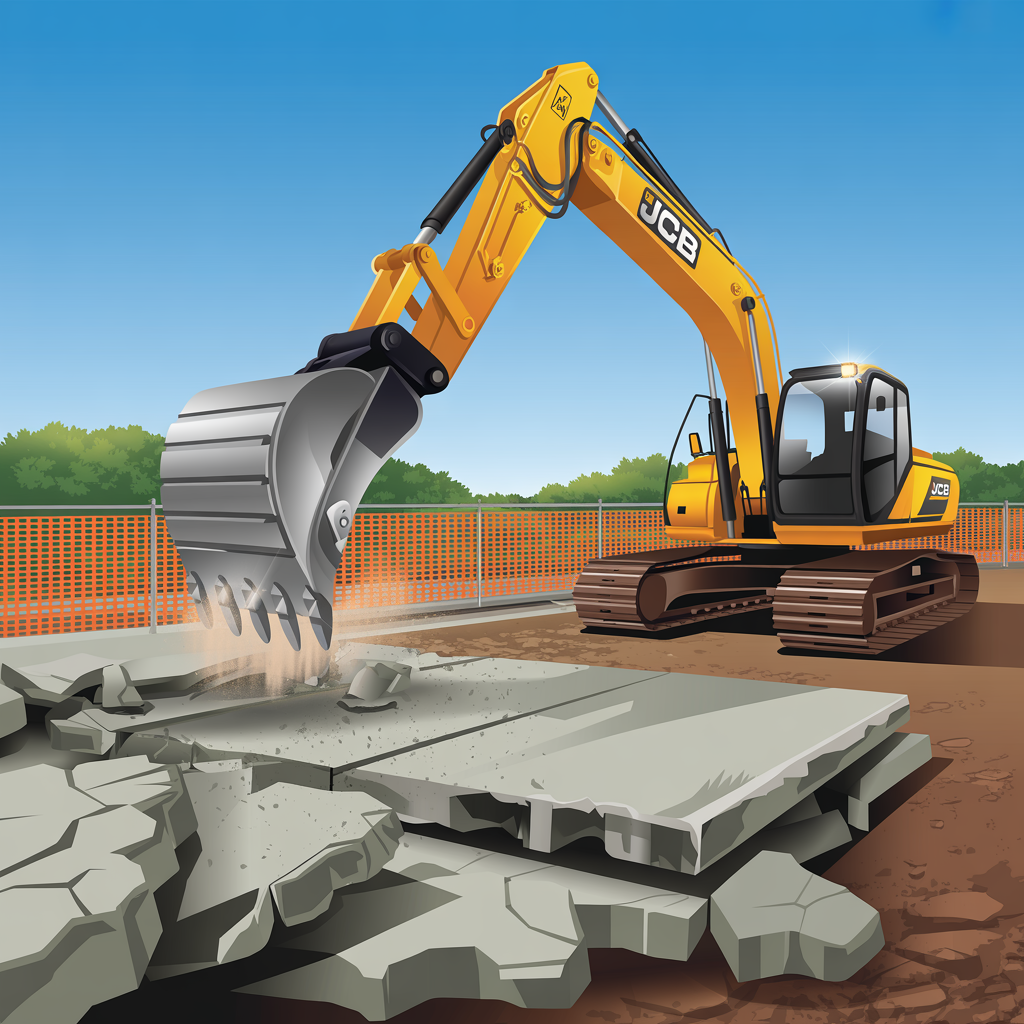
Breaking up old concrete or screed can seem like routine work — until you realise that some older materials may contain asbestos. Across the UK, asbestos is tightly controlled under law, but the rules are enforced slightly differently in Great Britain and Northern Ireland. Here’s what you need to know before you drill, cut, or jackhammer any concrete that could contain asbestos.

UK-Wide Legal Framework

(Covers GB + NI)

The core legislation is based on the Control of Asbestos Regulations 2012 (and the Control of Asbestos Regulations (Northern Ireland) 2012 for NI) and the same duties exist in both:

  • Identify asbestos before work begins.
  • Prevent or minimise exposure.
  • Provide training, PPE, and safe disposal.
  • Maintain records and follow waste regulations.

HSE guidance (L143, HSG264) gives the national reference standards.

Great Britain (England, Scotland, Wales)

Regulator: HSE (Health and Safety Executive).

Legal reference: Control of Asbestos Regulations 2012 (SI 2012/632).

Guidance: L143 “Managing and working with asbestos”, HSG264 “Asbestos: The Survey Guide”.

Enforcement examples: requirement for surveys, control measures, licensed contractors, and waste via Environment Agency / SEPA / Natural Resources Wales.

Northern Ireland (Part of the UK, not part of GB)

Regulator: HSENI (Health and Safety Executive for Northern Ireland).

Legal reference: Control of Asbestos Regulations (Northern Ireland) 2012 (SR 2012/179).

HSENI has its own online notification system for Notifiable Non-Licensed Work (NNLW).

Waste disposal is managed under Northern Ireland Environment Agency (NIEA) regulations.

The approved code of practice for NI mirrors the GB document L143, which HSENI formally endorses.

Asbestos Controls: Great Britain vs Northern Ireland
Topic Great Britain (England, Scotland, Wales) Northern Ireland (Part of the UK)
Core legislation Control of Asbestos Regulations 2012 (SI 2012/632) Control of Asbestos Regulations (Northern Ireland) 2012 (SR 2012/179)
Regulator Health and Safety Executive (HSE) Health and Safety Executive for Northern Ireland (HSENI)
Approved Code of Practice L143: Managing and working with asbestos L143 (adopted/approved for use by HSENI)
Survey standard HSG264: Asbestos – The survey guide HSG264 (same standard used in NI)
Work categories Non-licensed, Notifiable Non-Licensed Work (NNLW), Licensable Non-licensed, Notifiable Non-Licensed Work (NNLW), Licensable
Notifications NNLW notified to HSE; licensable work by HSE-licensed contractors NNLW notified to HSENI; licensable work by HSENI-licensed contractors
Waste oversight Environment Agency (England), SEPA (Scotland), NRW (Wales) Northern Ireland Environment Agency (NIEA)
Public reporting contact HSE (see: https://www.hse.gov.uk/contact/) HSENI (Tel: 0800 0320 121, https://www.hseni.gov.uk/)

What Contractors Must Do

  • Survey before disturbing materials.
  • Classify the work: non-licensed / NNLW / licensable.
  • Notify the appropriate regulator if required (HSE or HSENI).
  • Use proper controls and PPE.
  • Dispose of asbestos waste correctly.

What to Do If You See Uncontrolled Dust

  • Explain the public’s right to report suspected asbestos breaches:
  • GB: contact HSE.
  • NI: contact HSENI (0800 0320 121).
  • Advise against personal testing or interference.
  • Recommend contacting professionals and keeping evidence safely.

Conclusion

Asbestos laws are clear across the UK: no one should break, cut or drill concrete or cement-based materials without knowing whether asbestos is present. Whether you’re in Great Britain or Northern Ireland, the duty to identify and control asbestos risk applies — and failing to do so can lead to dangerous exposure, costly cleanup, and legal penalties.

5 Key Signs You May Need an Asbestos Inspection

Home or Workplace

Asbestos, once a common material in construction, has been linked to serious health risks, including asbestosis and mesothelioma. If you suspect its presence in your property, an inspection can provide clarity and peace of mind. Here are five key signs that it may be time to call a professional for an asbestos inspection:

Your Property Was Built Before the 1990s

Asbestos was widely used in construction materials until it was heavily regulated in the late 20th century. If your property was built before the 1990s, there’s a higher chance that asbestos-containing materials (ACMs) may be present, especially in insulation, flooring, roofing, and cement products.

You’re Planning Renovations or Repairs

Renovations can disturb asbestos-containing materials, releasing dangerous fibers into the air. Before you begin any demolition, sanding, or drilling, an asbestos inspection is critical to ensure the safety of everyone involved.

Damaged or Deteriorating Materials

Cracks, crumbling, or visible wear in insulation, tiles, or other materials could indicate the presence of asbestos. Damaged ACMs are more likely to release asbestos fibers, which are hazardous when inhaled.

You’ve Discovered Unlabeled Insulation or Old Materials

If you uncover unmarked or suspicious materials during routine maintenance or renovations, they could contain asbestos. Common culprits include pipe insulation, textured ceiling coatings, and older vinyl flooring.

Local Regulations Require Asbestos Assessments

In some regions, an asbestos inspection is mandatory before certain activities, like selling a property or conducting large-scale renovations. Check your local laws to ensure compliance.

What to Do If You Suspect Asbestos

If you notice any of these signs, do not attempt to handle or remove the material yourself. Asbestos fibers are microscopic and can become airborne with minimal disturbance. Instead, contact a licensed asbestos professional who can safely inspect and test the materials.

Protect Your Health and Peace of Mind

Being proactive about asbestos inspections can prevent unnecessary exposure to hazardous fibers. Whether you’re buying an older property, renovating, or simply maintaining your space, identifying potential asbestos risks early is a crucial step in protecting yourself and others.

For more information on asbestos safety and removal, explore our resources or contact a trusted professional today.

RET Lung Cancer

Lung Cancer

This is a type of cancer that starts in the lungs. It is a leading cause of cancer-related deaths worldwide. There are two main types of lung cancer: non-small cell lung cancer (NSCLC) and small cell lung cancer (SCLC). NSCLC is the most common type, accounting for about 85% of all cases, while SCLC is less common but tends to be more aggressive. Smoking is the leading cause of lung cancer. Other risk factors include exposure to secondhand smoke, radon gas, asbestos, and certain environmental and occupational hazards. The best way to prevent lung cancer is to avoid smoking and exposure to tobacco smoke. It’s also important to minimize exposure to other risk factors like radon and asbestos. As with any cancer, the outlook for lung cancer varies depending on the stage at which it’s diagnosed. Early-stage lung cancer has a better prognosis than late-stage cancer.

Symptoms of Lung Cancer

Common symptoms of lung cancer can include a persistent cough, chest pain, shortness of breath, coughing up blood, fatigue, unexplained weight loss, and recurrent respiratory infections. Lung cancer is typically diagnosed through imaging tests like X-rays and CT scans, as well as through biopsy, where a tissue sample is taken for examination.

Treatment

Treatment options for lung cancer depend on the type, stage, and overall health of the patient. Common treatments include surgery, chemotherapy, radiation therapy, targeted therapy, and immunotherapy.

Genetic Factors and Mutations

Lung cancer can be influenced by genetic factors, including mutations or errors in transcription, although it is often more strongly associated with external risk factors such as smoking and environmental exposures.

Most cases of lung cancer are caused by acquired genetic mutations in the DNA of lung cells. These mutations can be caused by exposure to carcinogens, such as those found in tobacco smoke, radon gas, or workplace chemicals.

Mutations in the EGFR (epidermal growth factor receptor) gene are more commonly found in non-small cell lung cancer (NSCLC). Certain drugs, called EGFR inhibitors, are used as targeted therapies to treat NSCLC with specific EGFR mutations.

ALK Rearrangements: Some lung cancers have rearrangements in the ALK (anaplastic lymphoma kinase) gene. Targeted therapies known as ALK inhibitors are used to treat these specific types of lung cancer.

In a small percentage of cases, lung cancer may be associated with inherited genetic mutations. For example, individuals with a family history of lung cancer or certain rare genetic syndromes, like Li-Fraumeni syndrome or hereditary retinoblastoma, may have an increased risk of developing lung cancer.

It’s important to note that while genetic factors play a role in the development of lung cancer, environmental factors, particularly smoking and exposure to secondhand smoke, remain the leading causes of this disease. Smoking cessation and reducing exposure to environmental carcinogens are essential steps in preventing lung cancer. Additionally, early detection through regular screenings, such as low-dose CT scans for high-risk individuals, can help identify lung cancer at earlier, more treatable stages.

RET Lung Cancer

There are two main types of RET genetic alterations, or errors in the gene.  RET alterations, which can lead to the development of various cancers, including thyroid cancer and lung cancer, are categorized into two main types: RET point mutations and RET rearrangements (gene fusions).

RET point mutations can be thought of as places where the DNA is misspelled. RET rearrangement or gene fusions are when a piece of DNA joins with another gene and creates a fusion. This fusion leads to uncontrolled cell growth and cancer. This is the most common RET gene error in lung cancer.

In RET Rearrangements (Gene Fusions) a portion of the RET gene becomes fused or joined with another gene, leading to the creation of a fusion gene. This fusion gene, in turn, produces a protein that can drive uncontrolled cell growth and the development of cancer. In lung cancer, RET gene fusions are relatively common, and they are considered oncogenic drivers, meaning they play a significant role in the initiation and progression of the cancer.

Identifying the specific type of RET alteration in a patient’s cancer is crucial for determining the most appropriate treatment strategy. In cases of RET gene alterations in lung cancer, targeted therapies such as RET inhibitors have shown promise in effectively managing the disease in some patients.

Mesothelioma

Mesothelioma and lung cancer are both types of cancer that affect the respiratory system, but they are distinct diseases with different origins and characteristics.

Mesothelioma is a cancer that originates in the mesothelial cells, which are the protective lining around organs such as the lungs, heart, and abdomen. The most common form of mesothelioma is pleural mesothelioma, which affects the lining of the lungs (pleura). It is primarily caused by exposure to asbestos, a fibrous mineral once used in various industries. There are also peritoneal mesothelioma (affecting the lining of the abdomen), pericardial mesothelioma (affecting the lining of the heart), and rare cases of testicular mesothelioma.
Lung cancer, on the other hand, originates in the lung tissue itself, typically in the cells lining the air passages or in the lung parenchyma (the functional part of the lung). The primary risk factor for lung cancer is tobacco smoking, although other factors such as environmental exposures can also contribute. Lung cancer is typically classified into two main types: non-small cell lung cancer (NSCLC) and small cell lung cancer (SCLC). NSCLC is the more common type.

Risk Factors

Exposure to asbestos is the primary risk factor for mesothelioma. It can take several decades after exposure for the disease to develop, whereas smoking is the leading risk factor for lung cancer, and it is responsible for the majority of cases. Other risk factors include exposure to secondhand smoke, radon gas, air pollution, and occupational exposures to carcinogens.

Treatment

Treatment approaches for mesothelioma and lung cancer differ due to their distinct origins and characteristics. Mesothelioma is typically treated with a combination of surgery, chemotherapy, and radiation therapy, and in some cases, targeted therapies. Lung cancer treatment varies depending on the type and stage, and it can include surgery, chemotherapy, radiation therapy, targeted therapies, and immunotherapy.

In summary, mesothelioma and lung cancer are both cancers that affect the respiratory system, but they have different origins, risk factors, and treatment approaches. Mesothelioma is primarily associated with asbestos exposure, while lung cancer is strongly linked to smoking. RET lung cancer affects probably 1 – 2% of cases. Early diagnosis and personalized treatment plans are essential for both diseases to improve outcomes for affected individuals.
 

Asbestos – What It Is

https://www.asbestosremovalz.com/Asbestos is a natural mineral that can be harmful if you’re exposed to it. It’s a fibrous mineral that comes in different forms and is often found in various construction materials. The most common form is chrysotile, which has white or blue fibers. It’s also used in paint, plumbing, and sealants.

When you’re exposed to asbestos, it enters your air passages. While most of the fibers are removed by the body’s natural defenses, some may lodge deep in the lungs and remain there for years. In some cases, these fibers will never be removed from your body, so it’s important to prevent asbestos from entering your lungs.

Because of its unique chemical and physical properties, asbestos is very difficult to break down. It has a high heat and electricity resistance, and its fibers are very flexible. Asbestos has been used in many industries, including construction, oil and gas, and building materials. Homeowners and DIYers have also been exposed to asbestos through various construction materials and household products. Even children’s toys have been found containing asbestos.

Exposure to asbestos can lead to lung diseases like asbestosis and lung cancer. The asbestos fibers lodge in the lungs, irritating tissue and making breathing difficult. Asbestosis symptoms can vary from mild to severe and can take years to appear. Smokers are especially vulnerable to the disease, because cigarette smoke irritates lung passages and makes it difficult to expel the fibers.

Asbestos is common in older buildings that were constructed before the year 2000. This mineral was used in a variety of construction materials, including cement pipe, floor tiles, ceiling tiles, and more. It was also used in heating systems, boilers, and brake linings. Asbestos-containing products have been banned in the European Union since 2005.

Some healthcare providers offer Medicare coverage for patients suffering from asbestos-related illnesses. Others may qualify for compensation from workers’ compensation programs. The Federal Employees Compensation Program, Longshore and Harbor Workers Compensation Program, and State Workers Compensation Programs cover medical bills for those who were exposed to asbestos during their employment. In addition, some people may be eligible for care at VA medical centers.

Asbestos samples should be tested for presence before any repair work. Asbestos repair materials are specially made to seal off damaged areas and prevent asbestos fibers from spreading. These products can be purchased at specialty stores. Removal of asbestos is the most costly method and should be the last option in most cases. This material can be difficult to remove, so be sure to use protective equipment while performing the removal.

The risks associated with asbestos are not well-known by the general public but construction workers NEED to be aware of them. Asbestos is found in many consumer products, including building materials. However, it can be dangerous if inhaled, even if you’re exposed to a small amount. However, if you’ve been exposed to asbestos for a long time, the risk is much higher.

Avoiding Asbestos in Lath and Plaster

https://www.asbestosremovalz.com/Exposure to asbestos can result in the development of various types of cancer, including lung cancer, mesothelioma, and pleural effusion. Lung cancer is a deadly form of cancer caused by the abnormal growth of lung tissue. Asbestosis is a condition caused by the prolonged inhalation of asbestos fibers. Asbestosis causes breathing difficulties, chest pain, and coughing. Pleural effusions are fluid-filled sacs in the lungs and abdominal walls. Asbestos can cause any of these diseases, and this is why it is vital to avoid asbestos exposure.
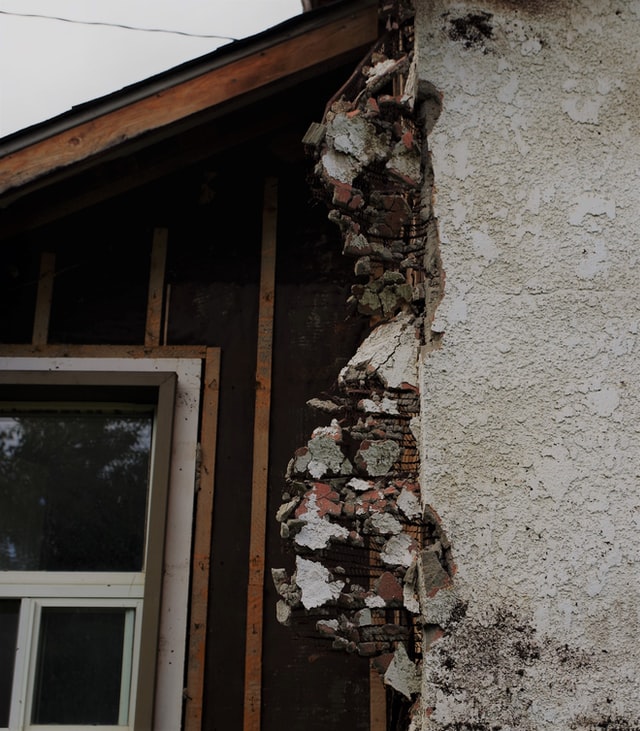
While asbestos plaster is not a health risk when in good condition, crumbling laths or plaster or water damage can release asbestos fibers. Leaving undamaged plaster alone is best. It can be encapsulated if necessary and possible. If it needs to be removed or modified, it is best to contact an asbestos inspector who has government approval and does not work for a company that has a vested interest in removing asbestos. The inspector should be well-trained and free of any conflict of interest. This will ensure the safety of the property and of the family living in it.

Lath and plaster asbestos was once used in many buildings to increase fire-resistance and insulate the walls. Unfortunately, this practice placed many people at risk of asbestos-related diseases, including mesothelioma. Asbestos particles can become airborne and be inhaled by people who worked with the material. People who mixed the powder with plaster are at the highest risk of developing mesothelioma. Old plaster, that is crumbling can also release fibers.

Asbestos was commonly used in plaster building materials between 1940 and 1990. Even though it is now banned, older buildings may still contain asbestos plaster. Even today, some plaster can contain 1% of asbestos, which makes it an asbestos-containing material. It was commonly used in fireproof walls, such as those found in elevator shafts. Asbestos cement is not toxic unless it contains a significant amount of asbestos.

Before beginning renovations, be sure to wear protective gear. This includes safety goggles, ear plugs, and a hard hat. Asbestos-containing materials can settle into ventilation systems, which can harm people if they accidentally turn the ventilation back on. Also, make sure to turn off power and water before working on the walls or ceilings. By doing so, you’ll greatly reduce the chances of injury. So, before you begin the renovation process, take all precautions to avoid exposure to asbestos or lead.

Dangers of Exposure to Asbestos

https://www.asbestosremovalz.com/If you’ve worked around asbestos, you may be wondering what the dangers are. Exposure to asbestos can cause a wide variety of diseases, including mesothelioma. This deadly cancer affects the lining of your chest, abdomen, and lungs. Early warning signs include fluid buildup around the lungs, cough, and fatigue. As with all cancers, the most effective treatment for asbestos-related disease is prevention.
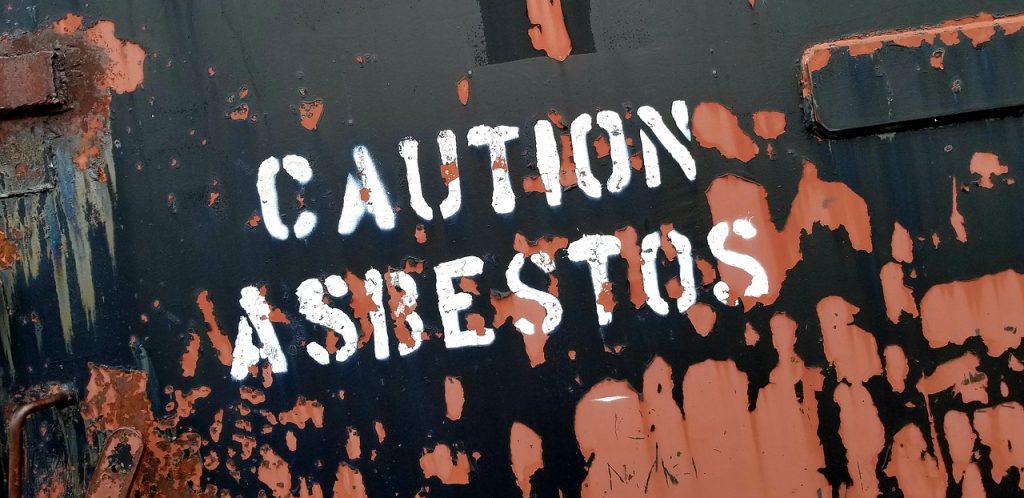
Old buildings often contain asbestos, including decorative ceilings. Some patching compounds and textured paint also contain asbestos, which is a common ingredient in building materials. Although asbestos use in new construction was banned in 1977, homes and buildings constructed before that date may still contain asbestos. Also, vinyl floor tiles and sheet flooring contain asbestos.

Asbestos is a known carcinogen, so it’s important to take precautions to prevent exposure to asbestos. While there are no symptoms of asbestos exposure in most people, it’s important to know how to protect yourself from this dangerous substance. Asbestos fibers are easily released when plaster breaks, cracks form in walls, and walls become damp and damaged. It’s important to address asbestos exposure immediately in these cases, but don’t worry if you’ve never been exposed to it. You never know when you might have an asbestos-related incident, so it’s crucial to stay vigilant about regular health checkups and notify your health care provider of any exposure.

When you’re exposed to asbestos, your body will absorb fibers, usually, by breathing them in, making the lungs the most likely site of any problem and causing you to develop symptoms. Asbestos is toxic in small doses, and the longer you’re exposed to it, the worse your health will become. It’s important to seek proper medical care if you suspect that you’ve been exposed to asbestos in your home. It’s especially important to take precautions to protect yourself and your family.

If you’re not sure what your symptoms mean, ask your family doctor. Inhalation of asbestos fibers can cause cancer. Even if a person is exposed to low-level amounts of asbestos in the air, they can still cause lung cancer, mesothelioma, and asbestosis. If you’ve smoked in your lifetime, you’re even more likely to be affected by asbestos because cigarette smoke irritates your respiratory tract. When contaminated food or liquids contain asbestos, it’s likely that you’re swallowing the fibers in the product.

If you’re renovating or remodeling an older building, asbestos exposure is a serious concern. Asbestos fibres can become airborne when disturbed. Contractors must take appropriate precautions to minimize the risk of asbestos contamination. You should hire licensed asbestos abatement contractors who are licensed to work in your area. If you are unsure of their background and experience, check with your local air pollution control board, worker safety agency, and the Better Business Bureau.

Asbestos Cases and You

http://www.asbestosremovalz.com/Asbestos is a naturally occurring silicate mineral found in a variety of materials including brake linings, asbestos roofing tiles, and fireproofing. There are several types of asbestos, including chrysotile, amphibole, and crocidolite. All six of these types are formed from the same naturally occurring mineral. There are six forms, which comprise both short and long fibers, each fiber consisting of multiple microscopic particles, which are released into the air by abrasion, compression, and other physical processes.

When asbestos is exposed to the air, airborne particles are inhaled, which then become deposited in various tissues throughout the body. Over time, these particles accumulate in various parts of the body, where they can cause health problems for individuals. Asbestos particles can become lodged in the lung tissue and cause serious health risks. Once inside the lungs, the asbestos fibers break down the lining of the lungs, exposing the lungs to asbestos dust and causing mesothelioma. Asbestos dust is commonly breathed in through inhalation of microscopic asbestos fibers, which can become lodged in the lining of the lungs, and is often times trapped in the lungs without the individual ever knowing it.

Individuals who work with asbestos materials on a regular basis, such as a person who constantly works with old asbestos materials or an individual who has worked in a landfill with asbestos, have a greater chance of developing the illness.

There are many different health effects associated with asbestos. The main concern with individuals exposed to the material is that the cancerous cells in their lung tissue can begin to form. Mesothelioma, which is the most common form of asbestos lung disease, begins to form slowly over time. However, this disease has been known to begin to manifest quickly, especially in individuals who were exposed to the material in significant amounts for extended periods of time. This is due to the fact that asbestos fibers stay in the lungs for long periods of time and when inhaled or ingested into the body. Over time, the cancerous cells begin to grow and move to other parts of the body.

Another one of the major health effects associated with asbestos is asbestosis. Asbestosis is the buildup of scar tissue in the lungs, and it is often times mistaken for lung cancer. It is actually the covering of the lungs, which have become thickened and damaged from the asbestos exposure. Some of the most common symptoms of asbestosis include shortness of breath, chest pain, coughing, and wheezing. Other less common symptoms of asbestosis include memory loss, and even damage to the eyesight.

Exposure to asbestos is not only dangerous to the individual who has developed the condition, but also to everyone around them, including family members. There are cases known, for instance, of a wife developing asbestosis after washing her husband’s work overalls over a period of time.

Asbestos is known to cause a wide range of negative health risks, including asbestosis, lung cancer, pleural plaques in the lungs, and mesothelioma. Because of the wide range of health risks that are associated with asbestos exposure, it is extremely important to make sure that anyone who works with this material or who is remodelling a home with it is aware of the hazards. In many parts of the world only registered contractors can work with asbestos.

There are many things that an individual can do to ensure that they are safe from the dangers of this material. Following these safety tips is highly recommended.  The U.S. Consumer Protection Division has made provisions for allowing individuals to file lawsuits related to the dangers of asbestos exposure. For more information regarding this matter, consumers should visit their website. They will be able to obtain additional information about asbestos causes, as well as various asbestos lawsuits that have been filed in recent years. In addition, they will be able to find services and assistance to assist with filing a lawsuit, and will be able to advise individuals on the best way to protect themselves from this deadly material.